
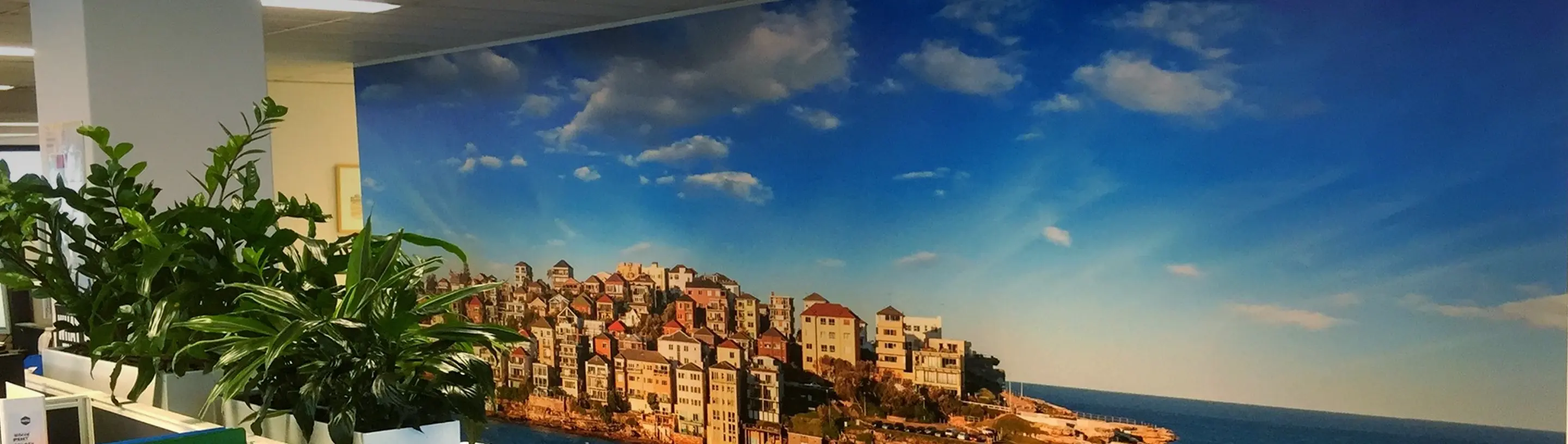

Selecting the right image is one of the most exciting parts of creating your own custom wallpaper. Whether it is your favourite photograph, a piece of artwork, a beautiful landscape, or another design, almost any suitable image can be transformed into a personalised wall mural.
But how do you know where to begin?
The right image is not simply one that looks good on a screen. It should also suit your room, complement your interior, and work well as a large feature on your wall. Here are some tips to help you find and choose the right image for your custom wallpaper.
Start With the Look You Want
Before looking for an image, consider what you would like your custom wallpaper to add to your interior.
Would you like a calming natural background, a bold statement wall, something personal, or an artistic feature?
Consider:
- The room you are designing
- The atmosphere you would like to create
- The colours and furniture already in the room
- Whether you want the wallpaper to be a focal point or complement the existing décor
- Which wall you would like to make the feature wall
Having a general idea of what you want to achieve can make it much easier to narrow down your image choices.
Explore Different Custom Wallpaper Ideas
Your custom wallpaper does not necessarily have to be a photograph. There are many different types of images and designs you can choose from.
Personal Photographs
A favourite holiday photograph, landscape, cityscape, garden, or another memorable place can allow you to create a truly personal wall mural. Using your own photograph is also a great way to create a design that is not available in a standard wallpaper collection.
Nature and Botanical Designs

Forests, mountain scenes, beaches, flowers, leaves, and botanical designs can bring natural elements into your interior.
Depending on the image and colour scheme, these designs can create anything from a subtle background to an impressive feature wall.
Abstract Artwork and Patterns

Abstract artwork is a great option if you do not want to use a particular photograph or recognisable landscape. Consider geometric shapes, artistic brush strokes, textures, colour combinations, or patterns.
Maps, Architecture and Illustrations

Maps, skyline views, architectural photographs, sketches, and illustrations can give your wall a unique look.
For children's rooms, you could consider themes such as animals, fantasy illustrations, educational maps, and playful designs.
If you are looking for more ideas, explore the Mister Wallpaper Inspiration page before deciding on your design.
Don't Forget the Style of Your Home
Think about how your custom wallpaper will fit with the rest of your interior.
Modern Interiors
Abstract art, geometric patterns, architecture, black-and-white photography, and bold designs can complement modern interiors.
Natural Interiors
Nature motifs, botanical designs, forests, mountains, beaches, and other nature-inspired imagery can work well with natural materials and neutral interiors.
Classic Interiors
Traditional artwork, elegant botanical prints, landscapes, and detailed patterns can add character while maintaining a classic feel.
Children's Rooms
Illustrations, animals, fantasy scenes, maps, and playful designs can help create a fun and personalised space.
You do not always need to follow the latest interior trend. Choose a design that works with your room and that you will enjoy looking at every day.
How to Choose Between Your Favourite Images
Once you have found several images you like, comparing them can make the final decision easier. Instead of considering only how an image looks on its own, think about how it will look across your wall.
Consider the Colours
Take note of the predominant colours in your furniture, flooring, curtains, rugs, and decorative pieces.
Your wallpaper does not need to match everything in the room. You can choose colours that complement your existing décor or introduce contrasting colours if you want the wallpaper to make a stronger statement.
Think About the Size and Style of the Design
The scale of an image can change the overall feel of a room.
A large and simple image can create drama and impact, while a smaller, more detailed design can create a busier appearance.
Consider how much visual attention you want your feature wall to attract.
Choose Something Personal
Trends can provide inspiration, but your wallpaper does not necessarily need to reflect the latest interior design trends.
A photograph of your favourite place, artwork that reflects your interests, or simply a design that you love may have more lasting appeal.
After all, you are going to see this wall every day.
What to Consider After Choosing Your Image
Once you have selected the image you want, it is time to check whether it is suitable for your particular wall.
Check the Image Quality
Your selected image must be suitable for large-format printing. An image that looks great on your phone or computer might not produce the same result when enlarged and printed across a wall.
For more information about image resolution, read What Image Resolution Do I Need for My Custom Wallpaper?
If you are unsure whether your image is suitable, it is better to have it checked before placing your order.
Consider Your Wall Dimensions
Measure your wall accurately and consider the proportions of the wall compared with your selected image.
A large wall may be well suited to a panoramic image, while a smaller or taller wall may work better with a different composition.
Think About Cropping and Placement
Your image and wall may have different proportions, which means part of the image may need to be cropped.
Before ordering, consider whether cropping the top, bottom, or sides would remove an important part of the design.
Also consider the position of furniture, windows, doors, TV screens, and shelves. You may not want an important part of your image to be hidden behind furniture or another feature.
Check Image Usage Rights
Do not use an image found online without checking whether you have permission to reproduce it. Images discovered through Google, Pinterest, Facebook, or other websites are not automatically available for wallpaper printing.
Your own photographs, original artwork, or appropriately licensed images are preferable.
Prepare for Your Wallpaper Installation
Once you have chosen and finalised your image, the next step is to prepare your wall for installation.
Proper wall preparation can help your finished custom wallpaper look its best.
For detailed instructions, follow the Mister Wallpaper installation guide.
Turn Your Favourite Image Into Custom Wallpaper
Selecting the right image does not have to be difficult. Start by deciding what you want your feature wall to look and feel like, explore different photography and design ideas, and choose an option that complements your home.
After finding a design you love, consider its quality, proportions, placement, and usage rights before ordering.
Whether it is your personal photo, a beautiful landscape, botanical artwork, abstract design, or illustration, the right image can transform an ordinary wall into a personalised feature.
Ready to create your feature wall? Order your custom wallpaper from Mister Wallpaper and bring your chosen design to life.
FAQs
What type of image is best for custom wallpaper?
There is no single best image. Personal photographs, landscapes, botanical designs, abstract artwork, maps, illustrations, and patterns can all work well depending on your room and style.
Can I use my own photo for custom wallpaper?
Yes. You can use your own photograph for custom wallpaper as long as it is suitable for large-format printing.
How do I choose an image that suits my room?
Consider your room's interior style, colours, furniture, and the mood you want to create. Choose an image that complements the space and fits the look you want.
Can I use an image I found online?
Only if you have the appropriate permission or licence to use it. Images found on search engines, social media, or other websites may be protected by copyright.
What should I check after choosing my image?
Check the image quality, wall dimensions, proportions, potential cropping, and whether furniture or other features could cover important parts of the design.