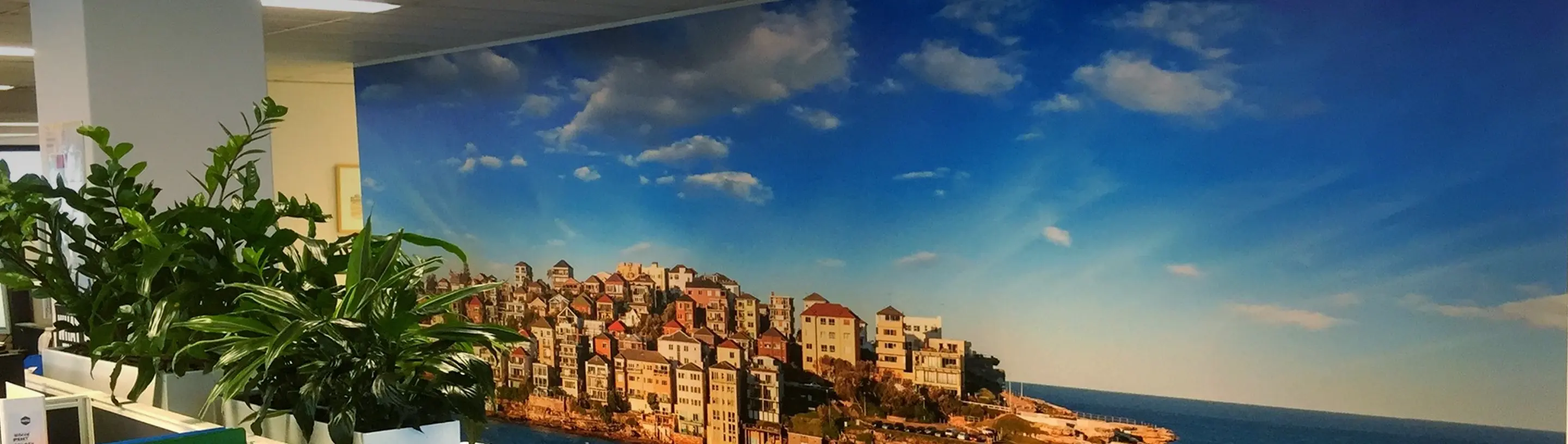

Looking for an easy way to refresh your walls without the mess of traditional wallpaper? For those who want to transform their walls into something new but have not enough patience to do that through the old technique of applying traditional wallpaper, this article may be useful. You will be able to create anything you like using peel and stick wallpaper, and that can be done by yourself within several hours without too much hassle and at very affordable prices. It should be mentioned that no matter what room you wish to decorate, you should follow certain rules of installing your wallpaper.
Tools that you'll Need:
Before you begin with the process, gather these tools:
- Measuring tape
- Pencil
- Utility knife
- Squeegee or smoothing tool
- Level
- Clean cloth
- Self-adhesive wallpaper

Step-by-Step Guide:
1. Wall Preparation
Before starting the application of the wallpaper, make sure your walls do not display any imperfections, such as mold, dirty areas or nothing else. In addition to ensuring you have a completely smooth surface by removing all previous wall finishes, they should also have all joint seams taped, mudded and sanded to provide a perfect surface.

Remove all nail heads and other imperfections that may affect the installation of your wallpaper, in addition to removing any rough surfaces that may affect how your wallpaper appears when installed.These wall preparation steps are highly recommended for personal space and commercial spaces across Australia to help achieve the best wallpaper finish.
Note: Painted or primed walls must dry for at least 30 days before installation. Install your wallpaper to a surface that is a solid, light color for the best outcome as possible.Not recommended for the high moisture areas such as bathrooms with showers or bathtubs.
2. Installation:
If your room consists of walls that vary in height, start with the tallest one, measure it and buy wallpaper according to this measurement. This ensures proper measure for the installment for the wallpaper.

Begin by peeling off the backing of wallpaper about 6” from the top part of the panel. Fold the paper backwards making sure it does not create any wrinkle in the printed side.
Place the wallpaper on top of the wall leaving about 1” to 2” of excess above its edge. Begin putting the wallpaper on starting from the middle of the panel.
Press the wallpaper against the wall using a squeegee and remove any air bubbles gently. Move slowly downwards.
3. Trimming the excess material:
It's better to have excess wallpaper than dealing with insufficiency. In case any excess remains, trim the excess part with the help of a scissors.
Handle the wallpaper gently around the use of sharp objects.
4. Peel and Remove When Needed
Temperature, humidity, and wall preparation will determine the longevity of the wallpaper. The estimated time range falls in between one to two years.
Peel and stick wallpaper is called repositionable for a reason. If it sticks to something or anything you can still peel it off.
For the safe removal follow these steps:
-
-
Starting at the top of the last panel installed
-
Lift exposed corner with a knife edge
-
Tilt paper down at 180 degrees, parallel to the wall surface
-
Proceed with a slow steady force until you reach the bottom of the wall
-
Do the same for the other panels
-
This paper cannot be recycled. Old paper disposal should be properly done.
-
5. Reinstallation:
It might be tricky to install wallpaper if it’s your first time. Keep peeling off the backing of the wallpaper and smoothing it. In case of misalignment, just peel it off and put it back again but make sure no creases are formed.

Pulling down on the paper, rather than pulling it away from the wall, will help reduce the chance of damaging the wall. For Australian renters and homeowners looking for an update,quality peel and stick wallpaper can often be repositioned or reapplied when handled carefully.
Conclusion
Installing peel and stick wallpaper is a beginner-friendly DIY project that can dramatically transform any room. With proper wall preparation, careful alignment, and patience during installation, you can achieve professional-looking results without hiring a contractor.
These wallpapers are recommended for homeowners across Australia to achieve a smooth and professional wallpaper finish.
Explore our full range of wallpaper designs and styles here.
Frequently Asked Questions (FAQ)
1. How do I prepare my walls before installing peel and stick wallpaper?
Before installation, make sure the wall is clean, dry, smooth, and free from dust, grease, old wallpaper, or peeling paint. Proper wall preparation helps the wallpaper adhere correctly and prevents lifting or bubbling.
2. Can peel and stick wallpaper be applied to textured walls?
Peel and stick wallpaper performs best on smooth, flat surfaces. Heavily textured, porous, or uneven walls may prevent proper adhesion and can lead to air bubbles or peeling edges over time.
3. How do I remove air bubbles during installation?
Use a wallpaper smoother or squeegee and work from the center outward. If small bubbles remain after installation, they often disappear as the wallpaper settles. For stubborn bubbles, gently puncture them with a pin and smooth the area.
4.Can the peel and stick wallpaper be repositioned?
Yes. Most peel and stick wallpapers can be carefully removed and repositioned during installation. However, repeated repositioning may reduce the adhesive's effectiveness if dust or debris collects on the backing.
6.How do I trim excess wallpaper after installation?
Use a sharp utility knife or trimming blade and carefully cut along ceilings, baseboards, corners, and outlets for a clean, professional finish.